§ 01 — The studio's reality
The booking link looks like every other studio's booking link.
A serious studio does the work to build a brand — the name, the room, the teaching, the relationship to each member. Then the booking layer arrives, and members tap a link to a generic SaaS chrome with someone else's logo in the footer. The studio leases the most repeated touchpoint in the relationship to a platform that owns it.
The cost shows up later. Members default to whichever schedule is convenient. The studio's brand stops at the door. The booking experience becomes a commodity, even when the teaching does not. Year on year, the platform's brand compounds. The studio's brand does not.
§ 02 — What members get
The booking surface, the mobile app, the payment page — all yours.
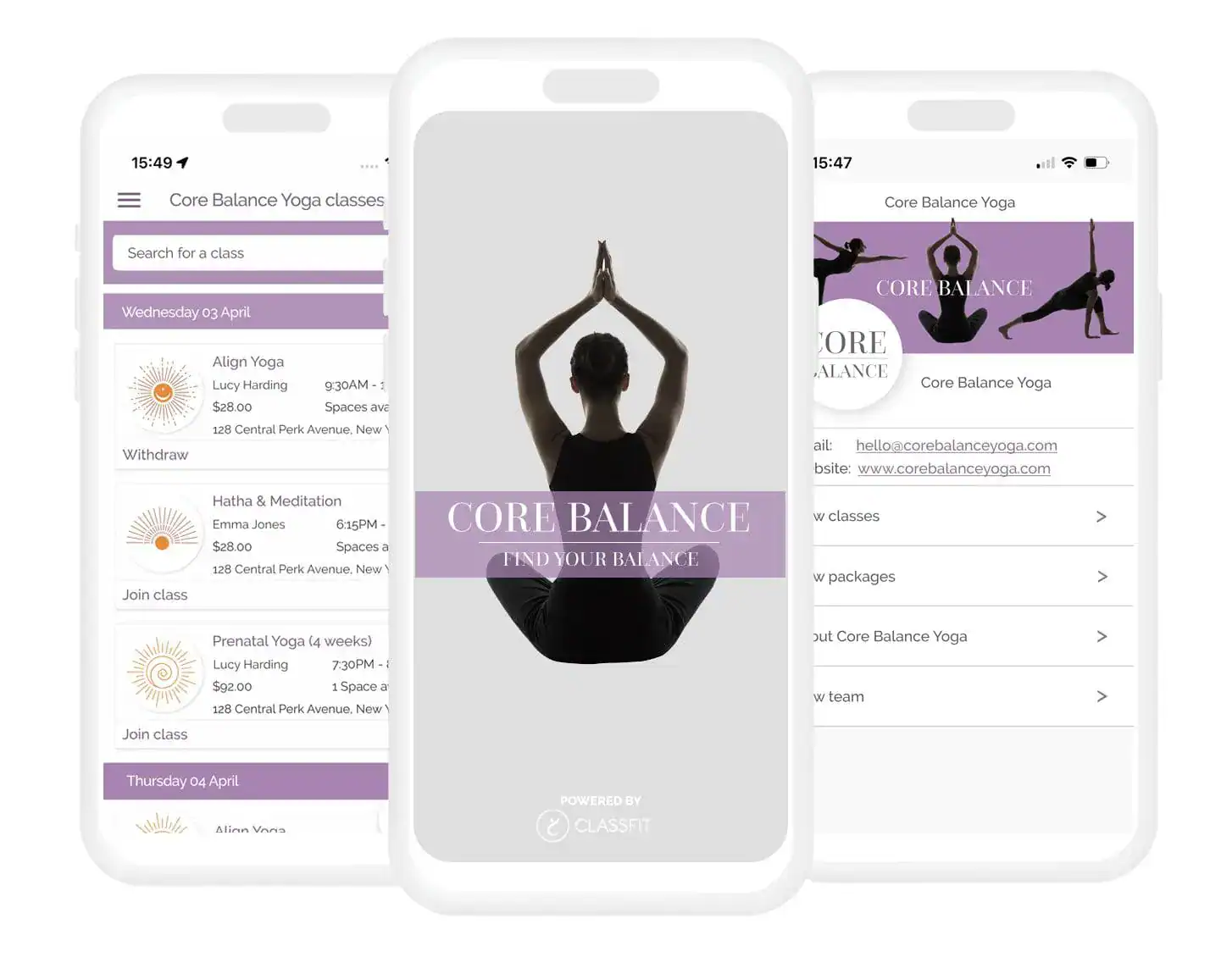
Classfit runs the studio's whole booking operation — class scheduling, packages, memberships, waivers, payments, waitlists — and then ships a custom-branded iOS and Android app to the studio's own name on the App Store. Members open the studio's app, see the studio's logo, and book. 4.8-star support, average response time under 90 minutes, no contracts, no per-feature pricing surprises.
Replaces
Acuity Scheduling·Calendly·Mindbody
— plus your separate website, email, and payments tools.
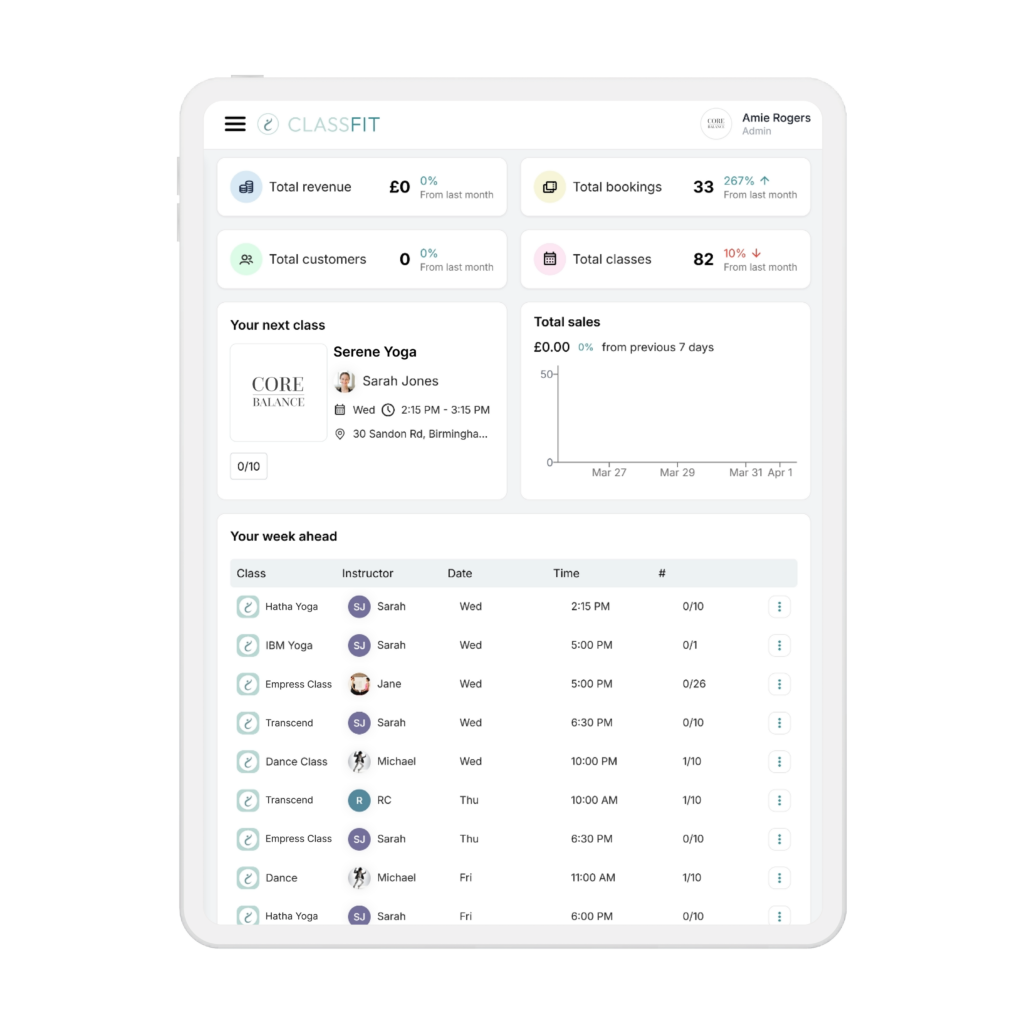
Studio dashboard
Class scheduling, packages, memberships, waivers, payments — one panel.
Branded mobile app
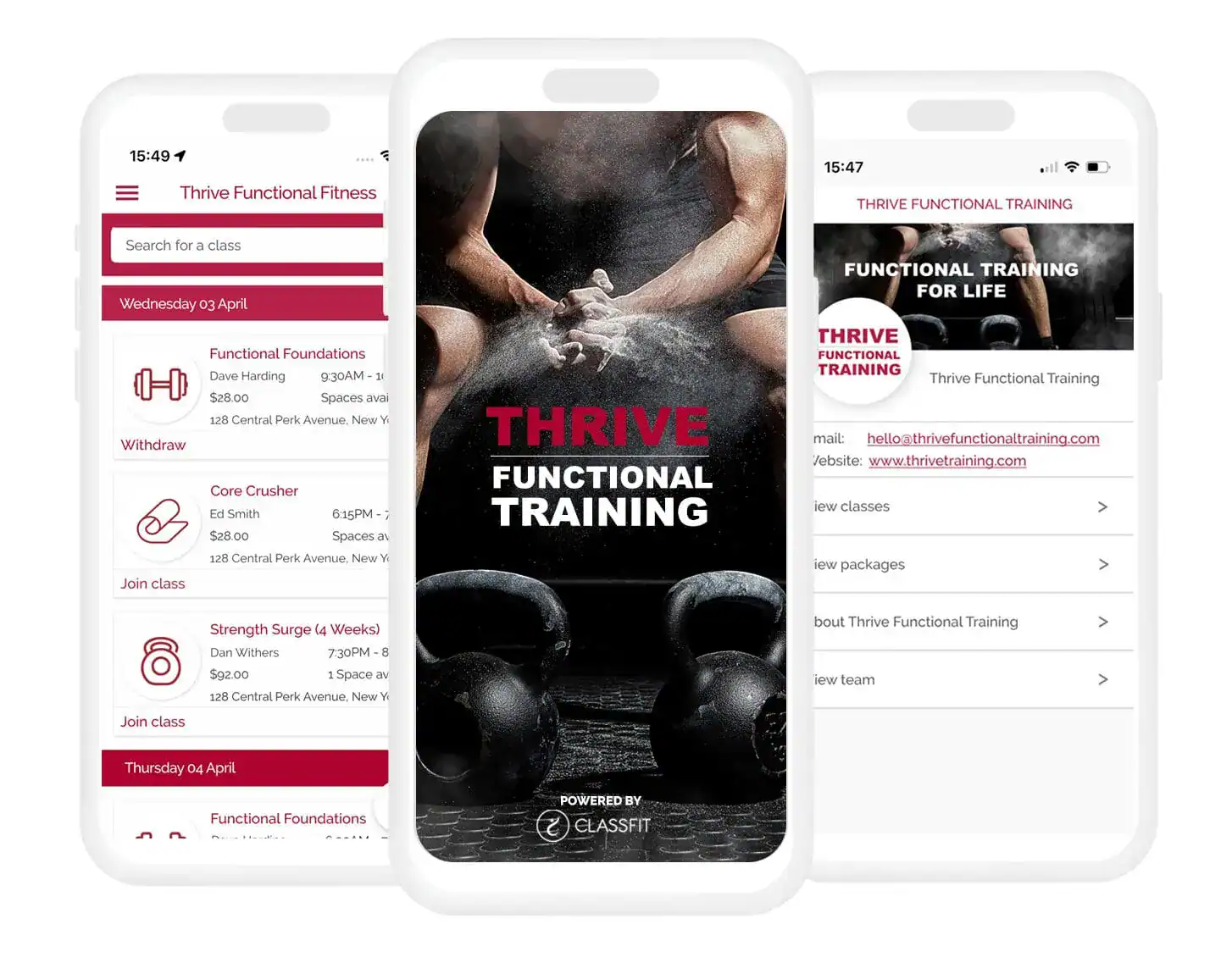
Your studio, your name, on the App Store. Members book in your app, not someone else's.
White-label end-to-end
Calendar embed on your website, branded app, member-facing payment pages — all yours.
§ 03 — Foresight
The studios that own their booking surface own their members.
The fitness market is consolidating around two patterns. Generic SaaS platforms — Mindbody, ClassPass — that aggregate booking traffic and increasingly own the member relationship. And studio-owned platforms where the booking layer is white-labelled, the app is on the App Store under the studio's own name, and the member-facing surface is brand consistent end to end. The first model wins on convenience now. The second compounds in brand equity for years.
Classfit is shown here as a Premium partner because it sits firmly in the second model — the studio's brand on every booking touchpoint, no commodity-SaaS chrome in the way — and because the partnership holds capped, transparent pricing for YogaPros teachers operating studios at scale.